
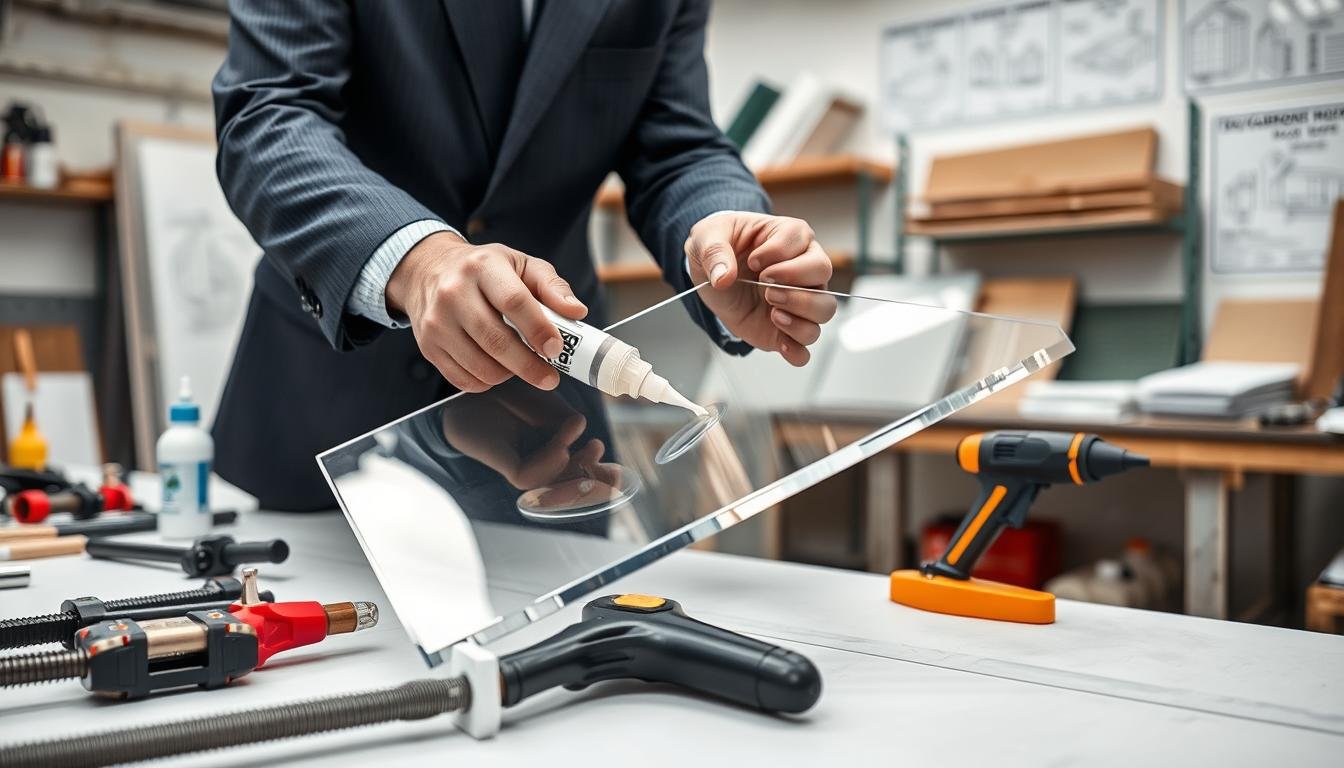
Have you ever wondered why some projects using flat polycarbonate sheets fail while others succeed? The answer often lies in the gluing and bonding techniques employed. VULCAN Plastics Flat polycarbonate sheets, including clear polycarbonate panels and polycarbonate sheeting material, are known for their exceptional durability and impact resistance. These qualities make them a favored choice in various industries, from construction to automotive applications.
VULCAN Plastics stands out as a trusted leader in providing high-quality flat polycarbonate sheets. Their expertise can guide you in selecting the right adhesives and bonding methods to ensure your assemblies meet industry standards. Understanding the proper techniques from the beginning can save you time and money while delivering long-lasting results. This section will lay the groundwork for your successful assembly of flat polycarbonate sheets, emphasizing the importance of choosing the right materials and techniques.
Key Takeaways
- Flat polycarbonate sheets are versatile and durable for various applications.
- Choosing the right adhesive is crucial for successful bonding.
- VULCAN Plastics offers expert guidance on bonding techniques.
- Proper preparation of materials enhances bonding strength.
- Understanding bonding methods can save time and costs.
What Adhesives Are Best for Flat Polycarbonate Sheets?
Choosing the right adhesive for flat polycarbonate sheets is essential for a strong bond. Various adhesive types offer unique benefits tailored to your specific needs. Understanding these options will help you make an informed decision for your project.
Understanding Different Adhesive Types
Different adhesives work well with flat polycarbonate sheets and rigid plastic sheets. Here are some common types:
- Solvent-based adhesives: Excellent for quick bonding and strong adhesion.
- Acrylic adhesives: Provide a clear bond and good weather resistance.
- Polyurethane adhesives: Known for flexibility and impact resistance, ideal for impact resistant polycarbonate.
Considerations for Choosing Your Adhesive
When selecting an adhesive, consider the following factors:
- Curing time: Ensure it aligns with your project timeline.
- Chemical compatibility: Make sure the adhesive is suitable for commercial grade polycarbonate.
- Environmental resistance: Look for adhesives that withstand moisture and temperature changes.
Recommended Adhesives by VULCAN Plastics
VULCAN Plastics recommends several adhesives specifically designed for flat polycarbonate sheets and rigid plastic sheets:
| Adhesive Type | Best For | Features |
|---|---|---|
| Solvent-based | Quick bonding | Fast cure time, strong initial bond |
| Acrylic | Clear applications | UV resistant, good for outdoor use |
| Polyurethane | Impact resistance | Flexible, withstands extreme conditions |
By choosing the right adhesive, you ensure a durable assembly for your flat polycarbonate sheets. VULCAN Plastics offers expert guidance to help you select the best option for your project.
How to Prepare Flat Polycarbonate Sheets for Bonding?
Preparing flat polycarbonate sheets for bonding is crucial for achieving a strong and durable connection. Proper preparation minimizes defects and ensures the best results when using adhesives. Here are some essential steps to follow.
Cleaning and Surface Preparation Techniques
Before bonding, clean your flat polycarbonate sheets thoroughly. This step removes dust, oils, and other contaminants. Consider these effective cleaning methods:
- Use isopropyl alcohol wipes to eliminate grease.
- Apply mild detergents with water for general cleaning.
- For UV protected polycarbonate, surface abrasion may enhance adhesion.
Tools You’ll Need for Preparation
Having the right tools makes the preparation process smoother. Here’s a list of necessary items:
- Lint-free cloths for cleaning.
- Cleaning solvents like isopropyl alcohol.
- Masking tape to protect areas not to be bonded.
Importance of Proper Preparation from VULCAN Plastics
VULCAN Plastics emphasizes that proper preparation is vital when working with transparent plastic panels. Taking these steps prevents common issues such as air bubbles and uneven bonding. Following VULCAN Plastics’ guidelines will help you achieve the strongest possible bond for your flat polycarbonate sheets.
What Bonding Techniques Can Be Used for Flat Polycarbonate Sheets?
When working with flat polycarbonate sheets, understanding bonding techniques is crucial. You have options that cater to different needs and aesthetics. The right method ensures durability and appearance, especially in applications like solid polycarbonate glazing and flat plastic roofing sheets.
Overview of Common Bonding Techniques
There are two primary bonding techniques to consider:
- Mechanical Bonding: This involves using screws, rivets, or other fasteners. It allows for easy disassembly but may create visible stress points.
- Chemical Bonding: This method uses adhesives to create a seamless bond. VULCAN Plastics prefers this technique for its aesthetic appeal and strength.
Comparing Mechanical vs. Chemical Bonding
Choosing between mechanical and chemical bonding depends on your project requirements. Here are some key differences:
| Feature | Mechanical Bonding | Chemical Bonding |
|---|---|---|
| Disassembly | Easy | Not recommended |
| Appearance | Visible fasteners | Seamless finish |
| Strength | Variable | High |
VULCAN Plastics’ Preferred Techniques
VULCAN Plastics integrates advanced adhesive bonding techniques for flat polycarbonate sheets. This method is particularly effective for solid polycarbonate glazing and flat plastic roofing sheets. Proper surface preparation and curing processes enhance the bond’s durability and appearance.
How Can You Ensure a Durable Bond for Flat Polycarbonate Sheets?
Creating a durable bond for your flat polycarbonate sheets involves careful attention to several key factors. You need to apply adhesives evenly and maintain the right curing conditions. Regular inspections of the bond can help identify any issues like bubbles or incomplete adhesion that could compromise strength.
When facing bonding challenges, troubleshooting is crucial. Common problems include poor adhesion and surface contamination. Identifying these issues early can save time and resources. You can enhance your results by following the best practices recommended by VULCAN Plastics, a leader in commercial grade polycarbonate solutions.
VULCAN Plastics is dedicated to your success by offering high-quality impact resistant polycarbonate products and expert guidance. Their support can help you navigate any difficulties, ensuring that your projects with flat polycarbonate sheets are executed with confidence and durability. Trust VULCAN Plastics to provide the resources you need for reliable, long-lasting assemblies.